By alphacardprocess March 24, 2026
Petroleum margins are no longer the only factor influencing profitability in today’s petroleum retail environment. Convenience stores and gas stations compete fiercely in a market where cost management, customer satisfaction, and operational effectiveness are all crucial. Payment processing charges are among the biggest and sometimes overlooked expenses.
Fees associated with every card transaction, whether at the pump or within the store, progressively reduce already narrow margins. Gas stations are handling more electronic transactions than ever before due to the growing use of card payments, mobile wallets, and contactless technology. Convenience and sales prospects are enhanced by this change, but pricing structures, regulatory obligations, and hardware investments become more complicated.
Operators that want to stay competitive must understand how these expenses add up. Optimizing transaction processing is the key to lowering payment expenses rather than completely doing away with fees. Gas stations can strategically reduce costs by implementing the appropriate gasoline point-of-sale systems, controlling pay-at-the-pump prices, and guaranteeing adherence to EMV regulations.
Table of Contents
Understanding Gas Station Payment Processing Costs

A layered ecosystem of issuing banks, acquiring banks, processors, and card networks is involved in gas station payment processing, and each of these entities contributes to the overall transaction cost. The total cost of each transaction is determined by these expenses, which include interchange fees, processor markups, and network assessments.
Because fuel sales have very narrow profit margins, this structure is especially difficult for fuel sellers. Due to pre-authorization restrictions and delayed settlement, transactions at the pump are different from those inside the store. These elements affect the classification and pricing of transactions.
Fuel and retail items are frequently combined in-store, which complicates fee qualification. Merchants may incur needless expenses if they don’t have good visibility into how transactions are handled. Improved cost control techniques are made possible by an understanding of these structures.
The Impact of Pay at Pump Fees
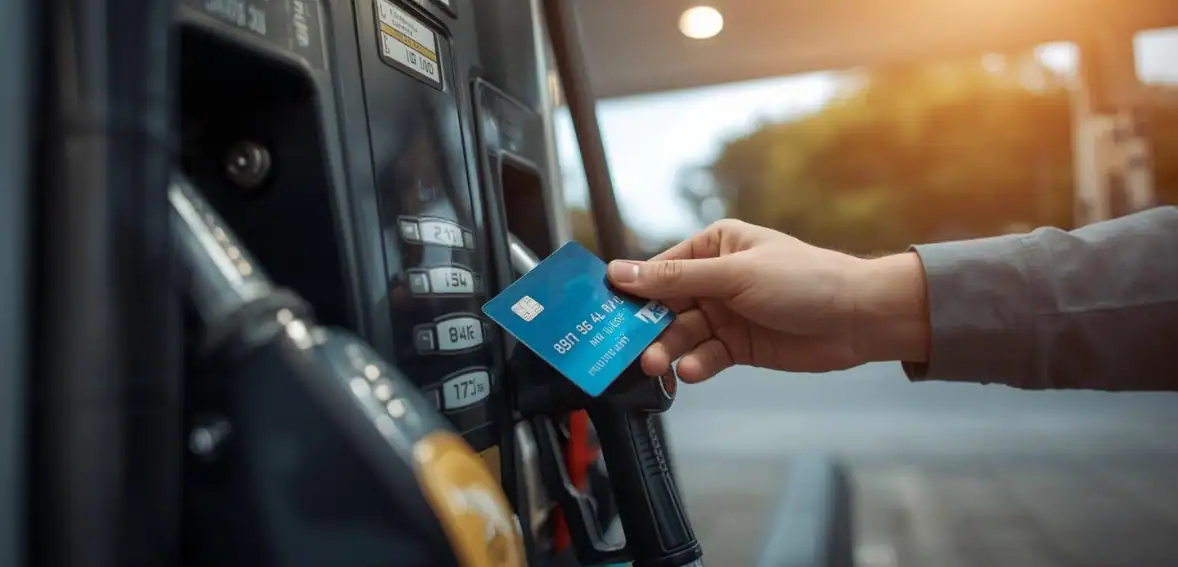
The fees for the ‘pay at pump’ are a substantial component of the payment processing fees at gas stations because of the peculiarities of the payment environment. The ‘pay at pump’ payment method requires a pre-authorizing ‘hold’ to be placed before the final amount is even determined. This increases the perceived risk for the card networks, causing higher interchange fees to be applied.
The payment environment is also more prone to fraud for the ‘pay at pump’ payment method. This again influences the pricing structures for payment processing.
Optimization of these payment processing fees is also important. For instance, ensuring secure payment options such as chip technology reduces the exposure to fraud. With proper management of the ‘pay at pump’ payment options, merchants can control the ‘pay at pump’ fees.
The Role of Fuel POS in Cost Optimization
In the current financial landscape, a modern fuel POS system is at the heart of payment cost management and reduction. This is because it ensures that all transactions are processed in an efficient and accurate manner. This way, the system identifies how the transaction is categorized.
This has a significant impact on interchange qualification and fee levels. Fuel POS systems have the capability to identify when a transaction is only for fuel and when it is a mixed transaction. This allows merchants to set their fee levels accordingly.
Additionally, these systems can facilitate the integration of loyalty programs and other forms of payment. This encourages consumers to use low-cost payment alternatives such as debit cards. Using a powerful fuel POS system helps gas stations become cost-efficient.
Gas Station EMV and Its Financial Impact
The adoption of EMV at gas stations is critical in controlling security as well as payment expenses, especially at the pumps. EMV technology uses chip technology to authenticate transactions. This reduces the amount of counterfeit fraud that has been a problem for gas stations in the past. Without EMV technology, merchants may be liable for fraud, which would increase their expenses.
Although there is a cost to merchants for upgrading to EMV technology, there is a long-term benefit to merchants. For instance, there is less fraud involved with EMV technology. There is also the benefit of security, which may enable merchants to get better processing rates. Furthermore, EMV technology enables merchants to offer contactless payment options that increase transaction speed.
Reducing Interchange Through Transaction Optimization
Interchange fees are the biggest part of the payment processing cost at gas stations. Therefore, transaction optimization is an essential strategy to minimize payment processing costs. Even though merchants are unable to control interchange fees, they have the power to influence the type of transactions by improving the accuracy of transaction data.
By utilizing address verification systems, merchants are able to settle transactions on time, which helps to minimize transaction processing costs. Small improvements to transaction data can result in significant savings over time.
Another strategy to minimize transaction processing costs at gas stations involves encouraging customers to use debit cards instead of credit cards. This strategy is effective since transaction fees associated with debit cards are lower compared to credit cards.
Managing C-Store Payment Costs Effectively
Another challenge in the payment cost of C-store is the variety in transactions and the cost involved in handling these transactions. This is mainly because these transactions involve different classes of products.
If fuel and retail products are combined in a single transaction, it may attract a high fee. Separating these transactions may attract a low fee. C-store payment options vary. They include mobile payment options and prepaid cards. Each payment option attracts different costs. Analyzing the data and adjusting strategies can help reduce unnecessary costs. Payment cost in a C-store is crucial in ensuring the profitability of the business.
Leveraging Automation in Gas Stations
However, automation is becoming increasingly significant in helping to reduce gas station payment processing costs. This is mainly because automation helps in efficiency and reduces human intervention. Using advanced analytics, merchants can get real-time visibility into transaction costs. This allows them to optimize their payment strategies.
This is because they can easily identify patterns in payment methods. In addition, automation helps in enhancing efficiency. This is mainly because it allows for faster transaction processes. This way, the customer experience is improved. This also allows the gas station to serve more customers without any cost. By using automation technologies, merchants can benefit in terms of cost reduction.
Encouraging Cost-Efficient Customer Payment Behavior
Customer payment tendencies have a huge impact on total processing costs, making the management of customer behavior an important strategy to be implemented by gas stations. Although the merchant cannot dictate the type of payment, they may influence the customer to choose the most cost-effective option.
Gas stations may offer rewards to customers who use debit or ACH payments, thus encouraging them to avoid credit transactions, which have higher processing costs. The use of private-label cards is another cost-effective option, which is likely to boost customer retention.
Customers may be educated on the available payment options, thus helping them make the most cost-effective choice without compromising their convenience. The importance of maintaining a safe and seamless payment environment should not be underestimated.
Through the management of customer behavior, gas stations may be able to minimize processing costs while maintaining a safe and seamless payment environment.
Vendor Selection and Processor Negotiation
The selection of an appropriate payment processor plays an important role in the effective management of gas station payment processing expenses. Payment processing companies have different pricing models. The interchange-plus pricing method offers greater transparency compared to flat-rate pricing.
The review of payment processor contracts helps merchants detect hidden expenses. This may allow merchants to negotiate a better deal as the volume of transactions grows. In addition to pricing, the technology provided by payment processing companies plays an important role.
The reliability of the technology provided by payment processing companies helps merchants run their businesses efficiently. The evaluation of payment processing companies helps gas stations to minimize payment processing expenses while maintaining the efficiency of the payment processing system.
The Influence of Card Network Rules on Fuel Transactions
Card networks regularly revise their rules, which have a direct impact on gas stations’ payment processing, especially with regard to fuel transactions. Such changes may include interchange qualification, authorization, and fraud prevention.
For gas stations, even small changes to these rules may affect the cost of fuel transactions.
Card networks have different rules for fuel transactions, mainly because they involve pre-authorizations and have a delayed final settlement. They may impose tighter rules to minimize fraud, which may have a cost impact on merchants.
It is important to be aware of changes to these rules to effectively manage costs. Gas stations may avoid penalties, minimize unnecessary costs, and ensure their fuel transactions are properly classified to the most profitable categories by being aware of changes to these rules.
Subscription and Loyalty Programs as Cost Reduction Tools

Loyalty and subscription programs can be an effective way to manage payment costs while improving customer loyalty. By offering incentives to repeat customers, merchants can shape consumer payment behavior.
Private-label cards and stored-value cards are particularly valuable to gas stations because they avoid traditional card network fees or reduce interchange fees. Subscription-based fuel programs can also create patterns in consumer transactions to optimize payment strategies.
Loyalty programs can also provide valuable consumer data to merchants to create incentives for more efficient payment channels. By designing an effective loyalty program, merchants can not only drive customer engagement but also save costs in the long term by shaping consumer payment behavior.
The Role of Alternative Payment Methods
Alternative payment options are becoming more important in the quest to decrease payment processing expenses at gas stations. For instance, ACH transfer options, mobile wallet services that connect to bank accounts, and QR code payment options may attract lower processing fees than credit card transactions.
By offering alternative payment options at gas stations, the business can diversify payment options for customers to reduce their reliance on costly credit card payment options. This will enable the business to decrease payment processing expenses through alternative payment options.
It is important to note that alternative payment options require strategic planning to ensure compatibility with existing fuel payment options at the gas station. With strategic planning, alternative payment options will enable the business to create a more efficient payment processing system at the gas station.
Chargeback Management and Cost Control
Chargebacks are an untapped cost of gas station payment processing. They are a loss for gas stations. Disputes, fraud, and authorization issues can result in chargebacks. These can be costly for gas station payment processing.
The first step towards chargeback management involves secure transaction processing, such as EMV compliance. Receipts, transaction history, and customer support are other factors that help gas stations minimize chargebacks. Chargeback analysis helps gas stations to detect problems.
They can take corrective steps to address the issue. Gas stations can minimize chargebacks, resulting in lower financial loss. This will help gas station payment processing to have a better relationship with payment processors. This may result in lower processing fees. Chargeback management will help gas station payment processing to have a more stable environment.
Data Analytics for Continuous Cost Optimization
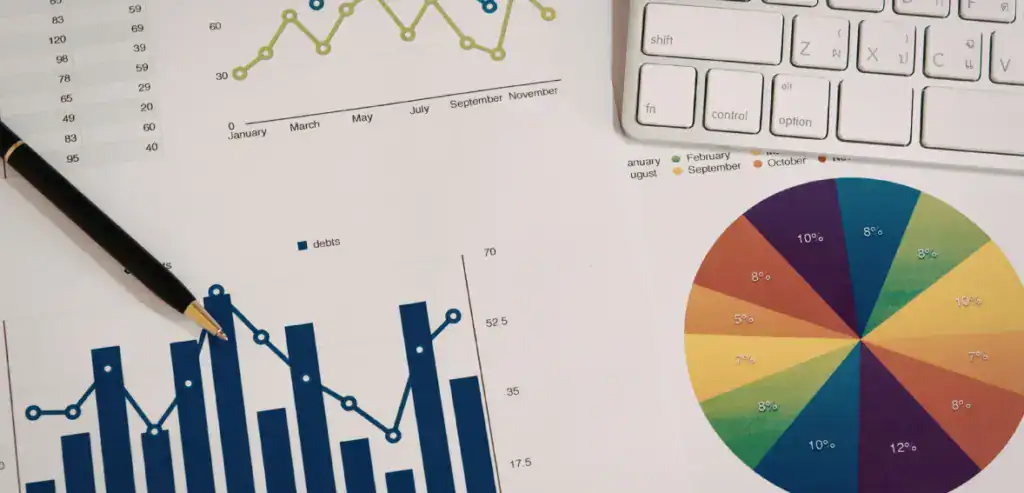
Data analysis is of critical importance in assisting gas stations in their constant efforts to optimize payment processing costs. Through the analysis of transactional information, merchants are able to obtain insights into certain patterns that relate to payment processing.
Advanced data analysis software is capable of offering critical insights into certain transactions that may attract higher costs. This enables merchants to make critical decisions that may benefit their business. In addition to this, real-time monitoring is capable of offering critical assistance to merchants in their decision-making processes.
Through constant analysis of transactional trends, merchants are able to refine their payment strategies. Therefore, through the use of data analysis software, gas stations are capable of shifting from a reactive to a proactive mode of operation.
Conclusion
In order to reduce payment costs at gas stations, it’s essential to have a comprehensive strategy. This involves everything from controlling pay at pump fees to improving gas station POS systems and gas station EMV compliance. Payment processing fees are an essential part of any payment transaction. These fees are unavoidable, yet they can be reduced by effectively managing transactions and making strategic decisions.
Promoting cost-effective payment methods, coupled with the use of automation, helps to further reduce costs. Gas stations that effectively manage their payment system are capable of increasing their profitability without compromising the customer experience. Gas stations that are willing to adapt to changing payment technologies are capable of developing a sustainable payment system that will help them achieve financial stability.
FAQs
Why are payments at petrol stations more expensive?
Low fuel margins and more risk and fees are associated with pay-at-pump transactions.
What are the differences in pay-at-the-pump fees?
Pre-authorization and delayed settlement are two of them that increase interchange as compared to in-store payments.
Does EMV reduce expenses?
Yes, chargebacks, fraud, and long-term financial risk are reduced by gas station EMV.
How is a fuel point of sale useful?
It enhances fee qualifying, streamlines transaction routing, and uses analytics to show costs.
What are the most effective techniques to reduce costs?
While preserving safe and effective payment experiences, promote debit payments, guarantee EMV compliance, optimize transaction data, employ automation, and bargain for better processor terms.